Chess in the 19th Century. Milestones of 1893
By Sergio Ernesto Negri

Global Context
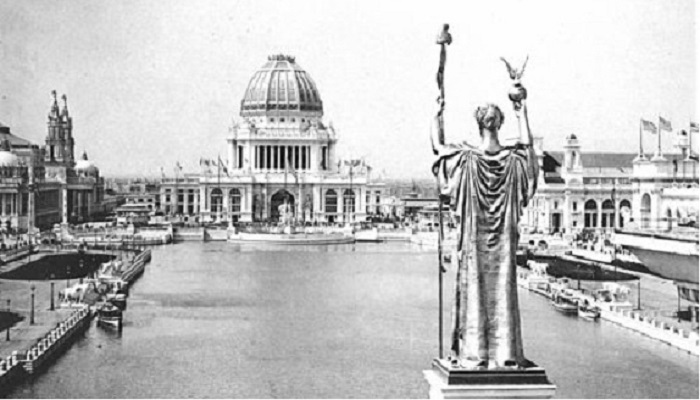
The Chicago World’s Fair is held. To commemorate the 400th anniversary of Columbus’s arrival in the Americas, alternating current is used instead of direct current, and the zipper is introduced. The United States declares the Hawaiian Islands a protectorate. An economic depression occurs. Devastating earthquakes strike Iran and Turkey. In New Zealand, women vote for the first time anywhere in the world.

Norwegian painter Edvard Munch (1863-1944) presents The Scream. Polish composer Antonín Dvořák (1841-1904) composes his beautiful Symphony from the New World, and Russian composer Pyotr Tchaikovsky (1840-1893), in the year of his death, premieres his equally powerful Pathetic Symphony. Research begins into the compounds that will lead to the discovery of aspirin.
Chess in 1893
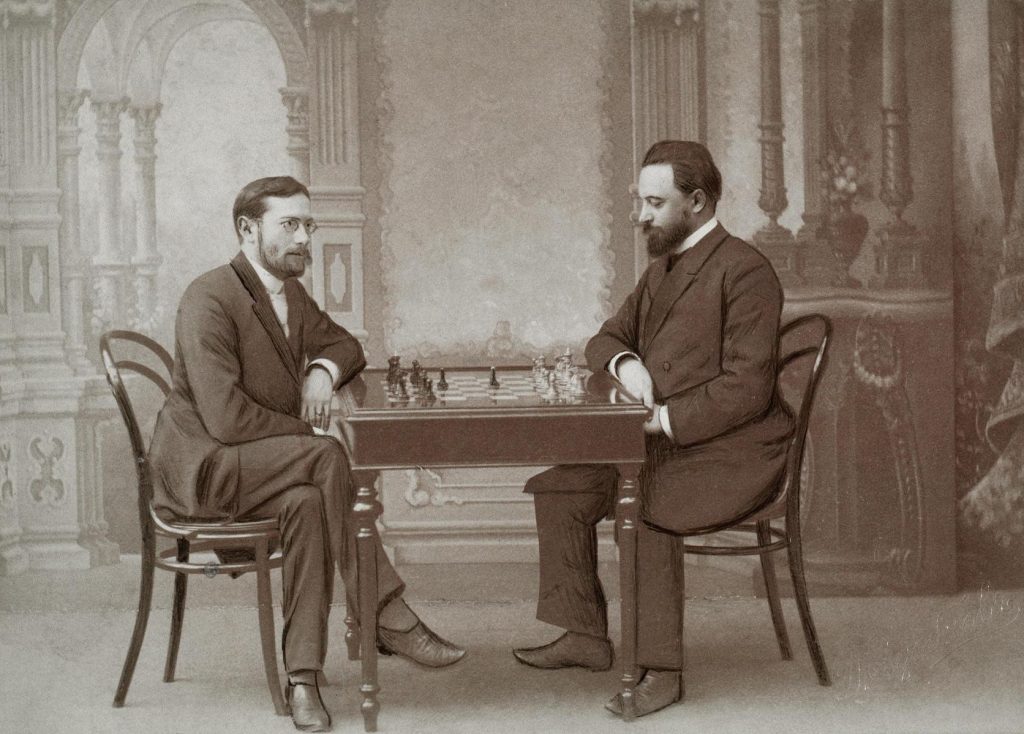
In St. Petersburg, Russian Mikhail Chigorin (1850–1908) and Prussian Siegbert Tarrasch (1862–1934) are locked in a fierce match, with the score tied at eleven points (four draws and nine wins each). On one side, the romanticism that Chigorin embodied; on the other, strategic play. A clash of styles that, as yet, could not be decided one way or the other.
The Prussian Emanuel Lasker (1868–1941) won a tournament in New York with thirteen points out of thirteen, followed by the Romanian Adolf Albin (1848–1920), who introduced his famous Gambit here (1. d4 d5 2. c4 e5), with the presence of a very young rising star, Harry Pillsbury (1872–1906). In addition, the European played several exhibition matches, including one in Alabama where he gave his opponent, Nellie Showalter (1870–1946), a knight’s advantage in each game; however, in that match between players of different genders, he was humiliated by losing 5–2. However, at the same venue, this time without any special advantage, she defeated her husband, who dominated the local scene, Jackson Showalter (1859–1935), by a score of 7–3. Thus, Lasker arrived in a country where the world champion, the Prague-born Wilhelm Steinitz (1836–1900), resided, seeking prestige, recognition, and funding to achieve his goal of challenging him for the crown.
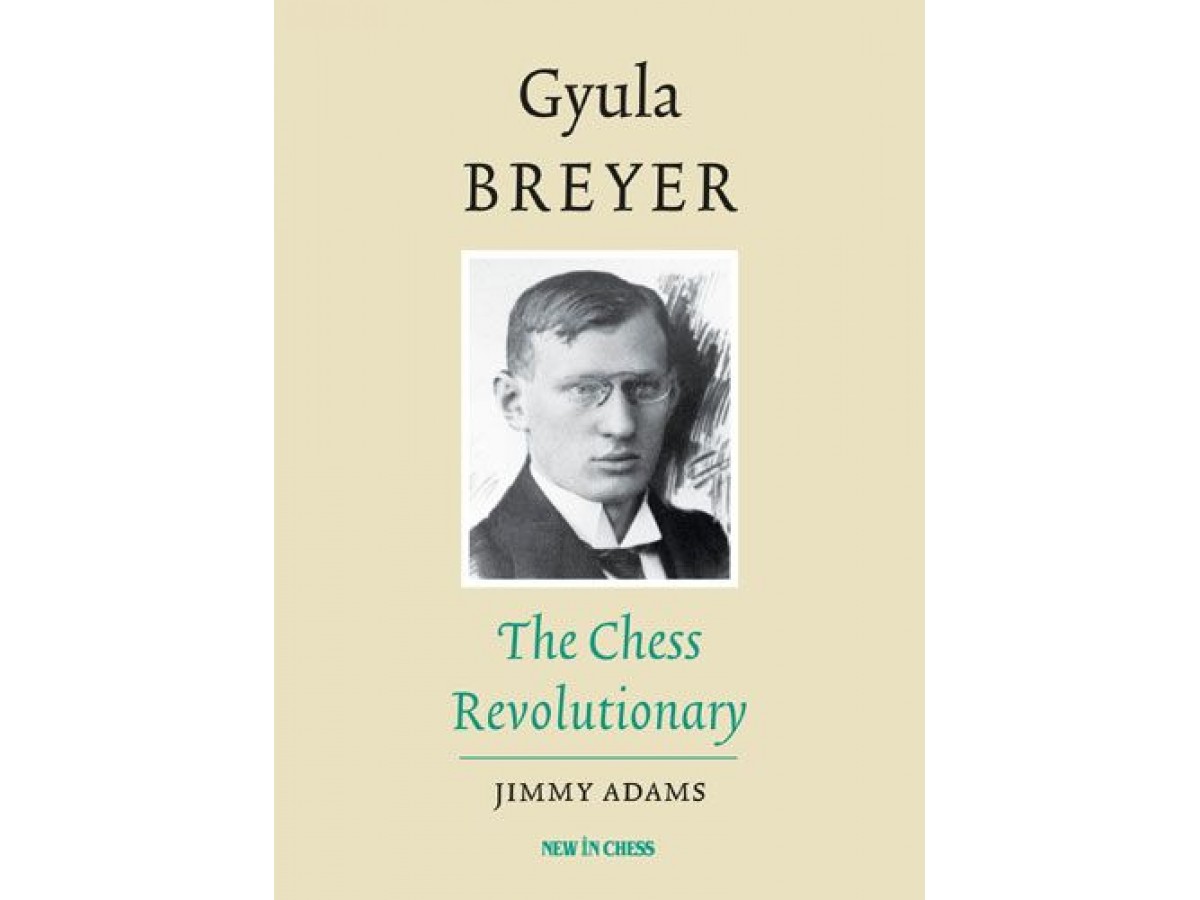
Born: Hungarian Gyula Breyer (1893–1921), national champion and a strong international performer, whose life was cut short by an untimely death that halted his progress. He was a pioneer in expounding and applying the ideas of hypermodernism; the Austrian Ernst Grünfeld (1893–1962), one of those awarded the GM title in 1950 during FIDE’s first nominations, a player of remarkable longevity who achieved success in international competitions in the 1920s and performed well in them two decades later; in addition, his contribution to the defense that bears his name has made him particularly notable; and the Hungarian Sándor Takács (1893–1932), who had outstanding performances in international competitions and was part of his country’s team that won the silver medal in Hamburg in 1930. The German Jean Dufresne (1829–1893) passes away; he will be remembered for falling victim to his compatriot and teacher Adolf Anderssen (1818–1879) in that 1852 game known as “The Everlasting Game.”
For the month of December, Chessmetrics lists the following ranking: Steinitz; Chigorin; Tarrasch; the Polish player Szymon Winawer (1838–1919); Lasker. EDO Historical Chess Ratings, in its annual assessment, offers this alternative: Lasker; Tarrasch; Chigorin; Steinitz; the Slovak player Miksa Weiss (1857–1927).
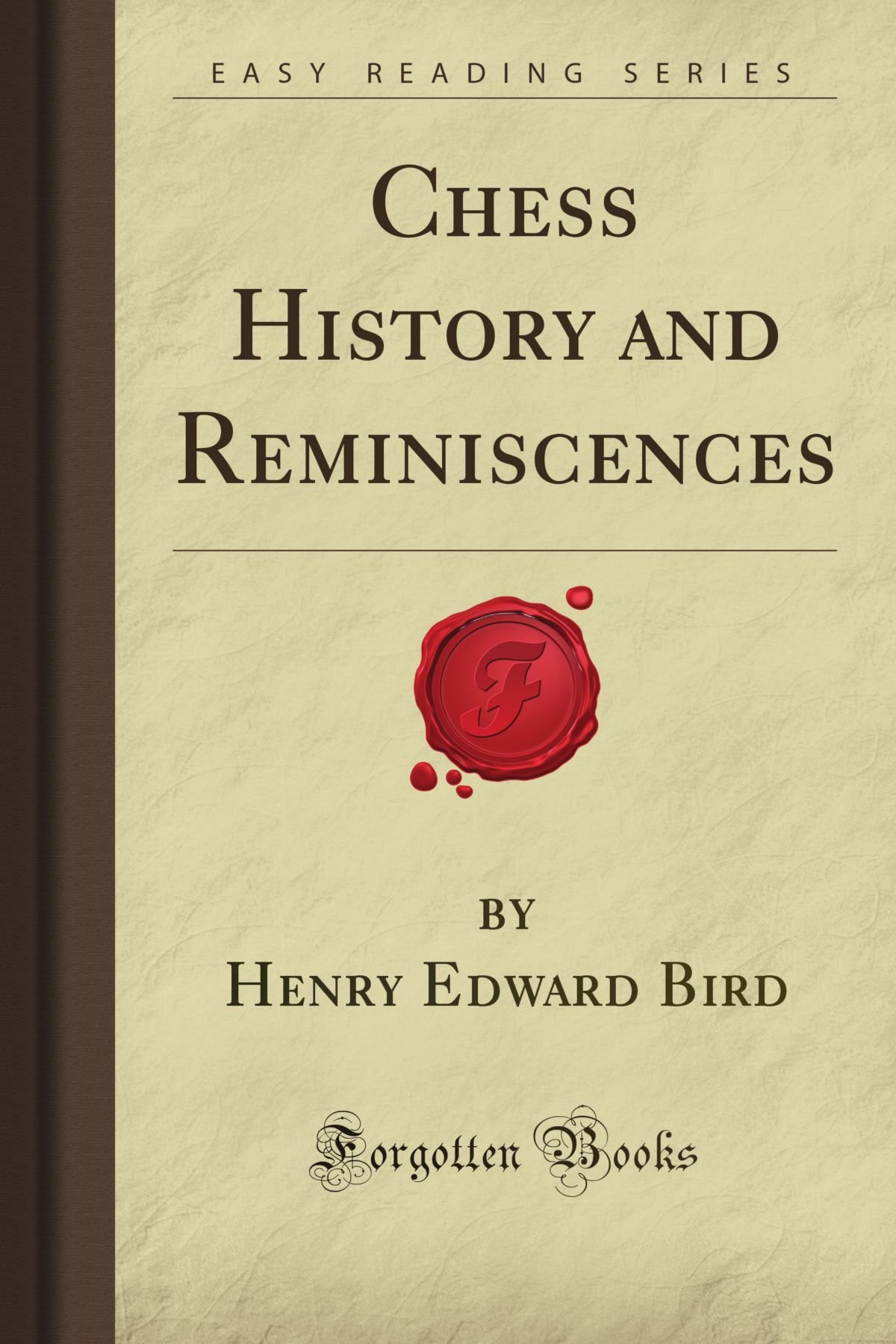
The book by the Englishman Henry Bird (1829–1908), Chess History and Reminiscences, is published in London, in which he discusses the history of the game (its origin is alluded to in terms of legends and myths rather than empirical and factual evidence), sharing recollections of his own experience as a chess player and his interactions with other figures of the era, particularly at Simpson’s Divan, a renowned club in that city.
German actor Conrad Veidt (1893–1943) is born, star of Le Joueur d’échecs («The Chess Player«), a 1938 film by French director Jean Dréville (1906–1997), in which he plays the role of Baron Wolfgang von Kempelen (1734–1804), the creator of the chess-playing automaton.

The poet Vladimir Mayakovsky (1893–1930) and the film director Vsevolod Pudovkin (1893–1953) were born in Russia. The former, when writing poetry, maintained that certain techniques worthy of chess could be followed since, as he said in How to Write Verses, a 1926 work: “In poetical work there are only a few general rules about how to begin. And these rules are a pure convention. Like in chess. The first moves are almost always the same. But already from the next move you begin to think up a new attack. The most inspired move can´t be repeated in any given situation in your next game. Only its unexpectedness defeats he opponent. Just like the unexpected rhymes in poetry”; in that transition, he incorporated it into his works, as in the verses of Vladimir Ilich Lenin, a 1924 poem, in which he says: “...for him, / it´s chess, / more useful for a leader / And fuming face about from chess / to living foes / yesterday´s dumb pawns pawns, / he led to a war of classes / until a human, / working-class dictatorship / arpsr to checkmate Capital / and crush its prison-castle” For his part, the filmmaker, together with his compatriot Nikolai Shpikovsky (1897–1977), directed Shakhmatnaya Goryachka («Chess Fever«), a 1925 film that featured José Raúl Capablanca (1888–1942) in a starring role, playing himself, during that year’s Moscow tournament.